
Choosing the Right Driveway Material
5 Stunning Alternatives to Asphalt Driveways
Choosing the right material for your driveway is one of the most impactful decisions you can make for your home’s curb appeal and long-term value. While asphalt has long been a go-to for its affordability, many homeowners are now looking for more durable, aesthetically pleasing, and eco-friendly alternatives.
If you are considering a transition from a standard blacktop to something more distinctive, this guide explores the best alternatives to asphalt driveways—from classic brick to versatile pavers—along with the pros, cons, and essential keywords to guide your search.
Concrete Pavers: The Versatile Modern Standard
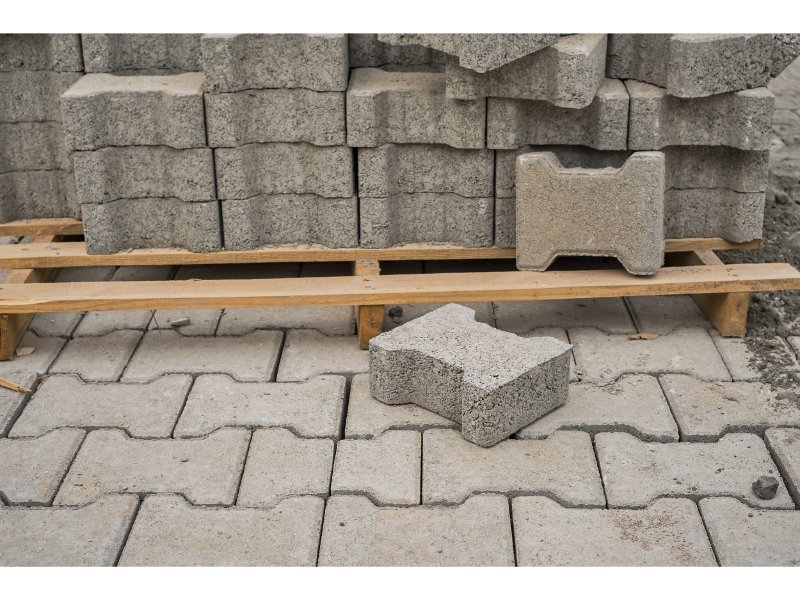
Concrete pavers are individual units manufactured in a factory, designed to interlock and create a flexible yet incredibly strong surface. They have become the leading alternative for high-end residential landscaping.
Pros:
Durability: Pavers are manufactured under immense pressure, making them denser and stronger than poured concrete.
Flexibility: Because they are individual units, they shift with the ground during freeze-thaw cycles without cracking—a common problem with asphalt and solid concrete—especially in New England.
Easy Repairs: If a single paver is stained or damaged, you can simply pull it out and replace it, rather than patching the entire driveway.
Cons:
Initial Cost: Expect to pay between $15 and $25 per square foot, which is significantly higher than asphalt's $6 to $12 range.
Maintenance: Pavers require occasional power washing and re-sanding of the joints every few years to prevent weed growth and shifting.
Brick Pavers: Timeless Elegance and Color Longevity
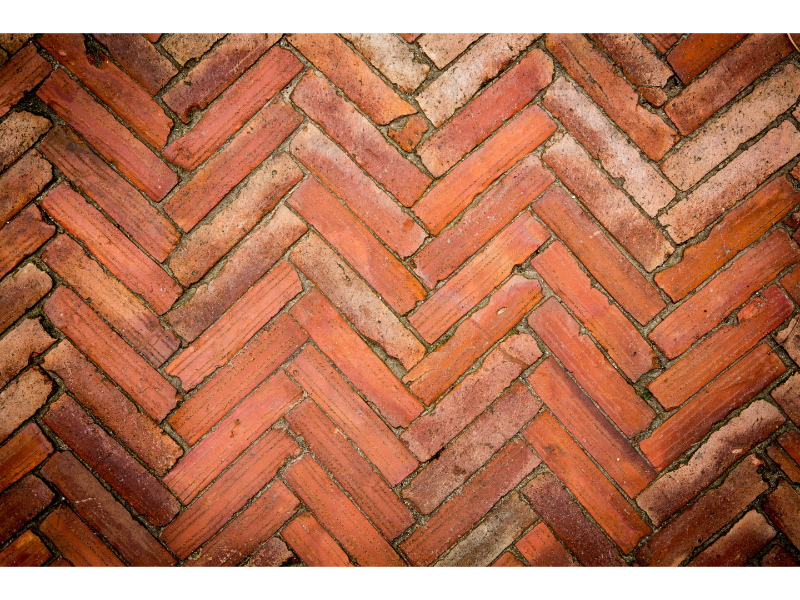
True brick pavers are made from natural clay that is kiln-fired. They offer a traditional, sophisticated look that is particularly popular for historic or colonial-style homes.
Pros:
Fade Resistance: Unlike concrete, which is dyed, brick’s color is consistent throughout the material and will not fade from UV exposure over time.
Longevity: A well-installed brick driveway can last 50 to 100 years, easily outperforming asphalt’s 15-to-20-year lifespan.
Cons:
Fragility: Bricks can be more prone to chipping or spalling under heavy vehicle loads compared to interlocking concrete pavers.
Limited Variety: You are generally limited to earthy reds, browns, and tans, with fewer geometric shape options than modern concrete pavers.
Permeable Pavers: The Eco-Friendly Innovation
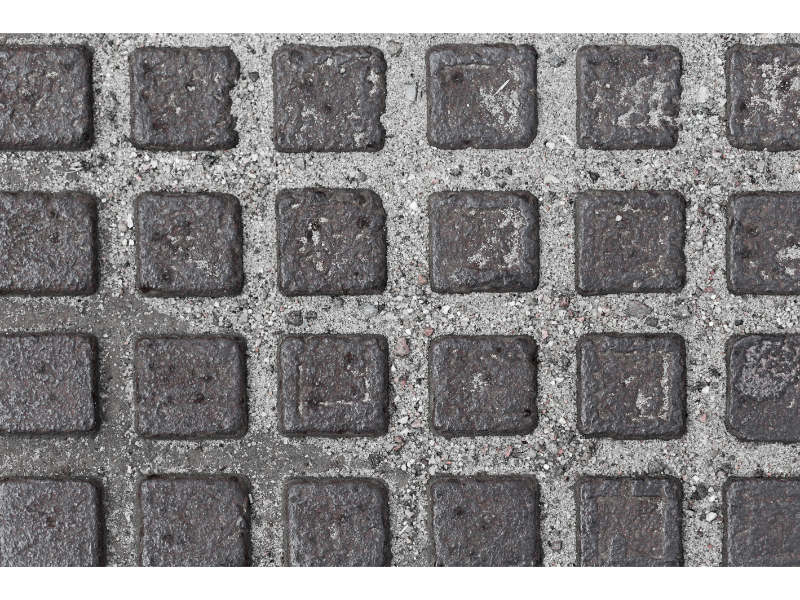
In 2026, sustainability is a top landscape trend. Permeable pavers are designed with wider joints or specific materials that allow rainwater to filter directly into the ground rather than running off into storm drains.
Pros:
Drainage: They eliminate standing water and puddling, which can prevent the base erosion that often destroys asphalt driveways.
Environmental Impact: They help replenish groundwater and filter out pollutants like oil and heavy metals before they reach local waterways.
Cons:
Cost: Due to the specialized aggregate base required for drainage, permeable systems can cost between $18 and $28 per square foot.
Clogging: The gaps can occasionally clog with debris and may require vacuuming or cleaning to maintain permeability.
Natural Stone and Cobblestone: The Premium Choice
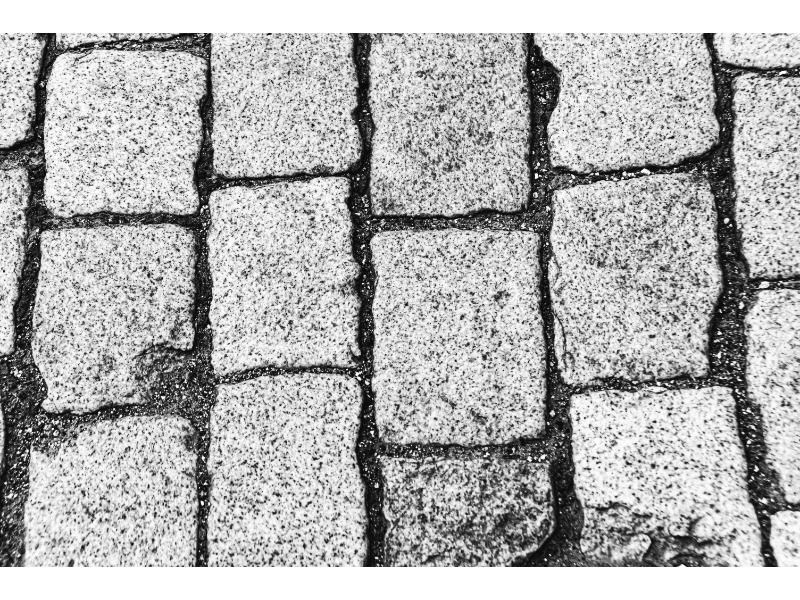
For those seeking unmatched character, natural stones like granite, bluestone, or travertine offer a premium "resort-like" aesthetic.
Pros:
Aesthetics: Every stone is unique, providing a rich, organic texture that manufactured materials cannot perfectly replicate.
Property Value: A natural stone driveway is a major investment that can significantly boost a home's resale value.
Cons:
High Price Point: Natural stone and cobblestone can range from $18 to $70 per square foot, making it the most expensive option on the market.
Gravel and Crushed Stone: The Budget Alternative
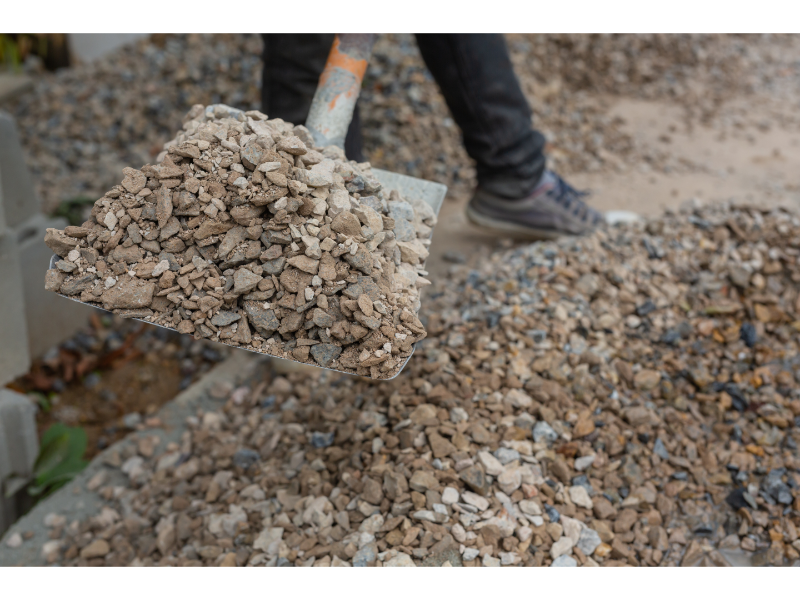
If cost is the primary concern, gravel remains the most affordable alternative to asphalt.
Pros:
Affordability: Gravel can cost as little as $1.25 per square foot.
DIY-Friendly: It is the easiest material to install without professional heavy machinery.
Cons:
Maintenance: Gravel shifts constantly, requiring regular raking and the periodic addition of new stone to fill in ruts and holes.
Snow Removal: It is difficult to plow or blow snow on a gravel surface without displacing the stones.
Why Make the Switch?
While asphalt is convenient for a quick fix, its high maintenance and relatively short life cycle often make it more expensive in the long run. By investing in pavers or brick, you aren't just paving a driveway; you are creating a durable piece of your home's architecture that improves with age.
For homeowners in the Northeast, pavers are particularly advantageous because they handle the region's harsh freeze-thaw cycles far better than rigid asphalt or concrete slabs.
Ready to transform your home’s entrance? Contact Emerald Irrigation & Landscape Construction to explore how custom paver designs can elevate your property today.