
The Ultimate Fall Yard Prep Checklist: Protecting Your Lawn, Hardscapes, and Irrigation System
As autumn arrives in New England, cooler crisp air and vibrant changing leaves signal that winter is just around the corner. For homeowners across Massachusetts and Southern New Hampshire, fall is far more than just a season for pumpkin spiced coffee and cozy sweaters—it is a critical window of opportunity to safeguard your outdoor living space.
Proper fall landscape maintenance does more than keep your curb appeal high during the cooler months. It protects your financial investment in your turf, paver patios, retaining walls, and underground sprinkler systems against the brutal freeze-thaw cycles of New England winters.
At Emerald Irrigation & Landscape Construction, we’ve spent over 30 years helping residential and commercial property owners prepare their grounds for seasonal shifts. To help you navigate the autumn season, we’ve put together this comprehensive, keyword-rich checklist for fall yard prep, lawn care, hardscape maintenance, and professional irrigation winterization.
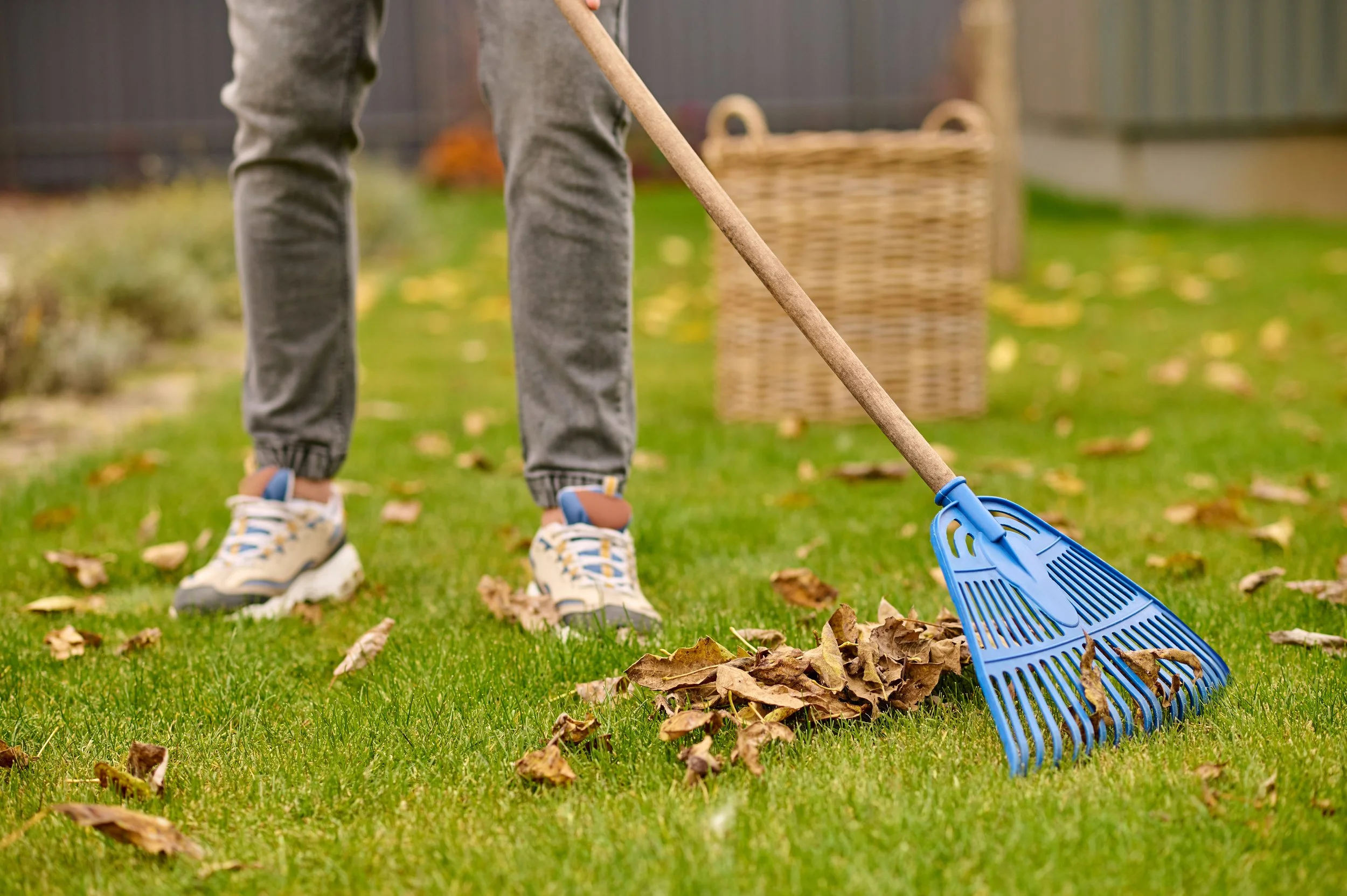
1. Lawn Care Essentials: Preparing Turf for the Freeze
Many homeowners assume that when grass stops growing rapidly in late autumn, it goes completely dormant and requires no attention. In reality, grass roots remain active deep beneath the soil line long after the first frost, storing up essential nutrients to survive the winter and spring back to life come April.
Clean Up Leaves and Organic Debris Promptly
While a blanket of red and gold foliage looks picturesque, allowing a heavy layer of fallen leaves to sit on your grass is one of the quickest ways to ruin a healthy lawn.
Prevents Disease: Wet leaves block light and trap moisture, creating a breeding ground for destructive turf fungi like snow mold and brown patch.
Blocks Sunlight & Oxygen: Grass needs every bit of late-season sunlight to perform photosynthesis and build root reserves.
Mulch or Rake: Light coverings of leaves can be mulched into small, nitrogen-rich flakes with a rotary mower, but heavy leaf piles should be raked up or removed regularly.
Core Aeration and Overseeding
Fall is unequivocally the best time of year to aerate and overseed your lawn in the Northeast.
Relieve Soil Compaction: Summer foot traffic, lawnmowers, and heat compact the soil. Core aeration extracts small plugs of soil, allowing oxygen, water, and vital nutrients to reach the root zone.
Overseeding for Density: Planting high-quality, cold-hardy grass seed (such as perennial ryegrass or Kentucky bluegrass blend) directly after aeration fills in thin patches, crowding out weed seeds before they can take root next spring.
Apply a High-Potassium Winterizer Fertilizer
A mid-to-late fall fertilization application—often referred to as "winterizer"—differs significantly from your spring and summer feeding regimens.
Focus on Potassium: Spring fertilizers are heavy in Nitrogen (N) to spur top growth. Winterizer blends feature higher levels of Potassium (K), which strengthens plant cell walls, enhances root development, and improves cold-hardiness against sub-zero freezing spells.
2. Protect Your Hardscape Investment: Patios, Walkways & Retaining Walls
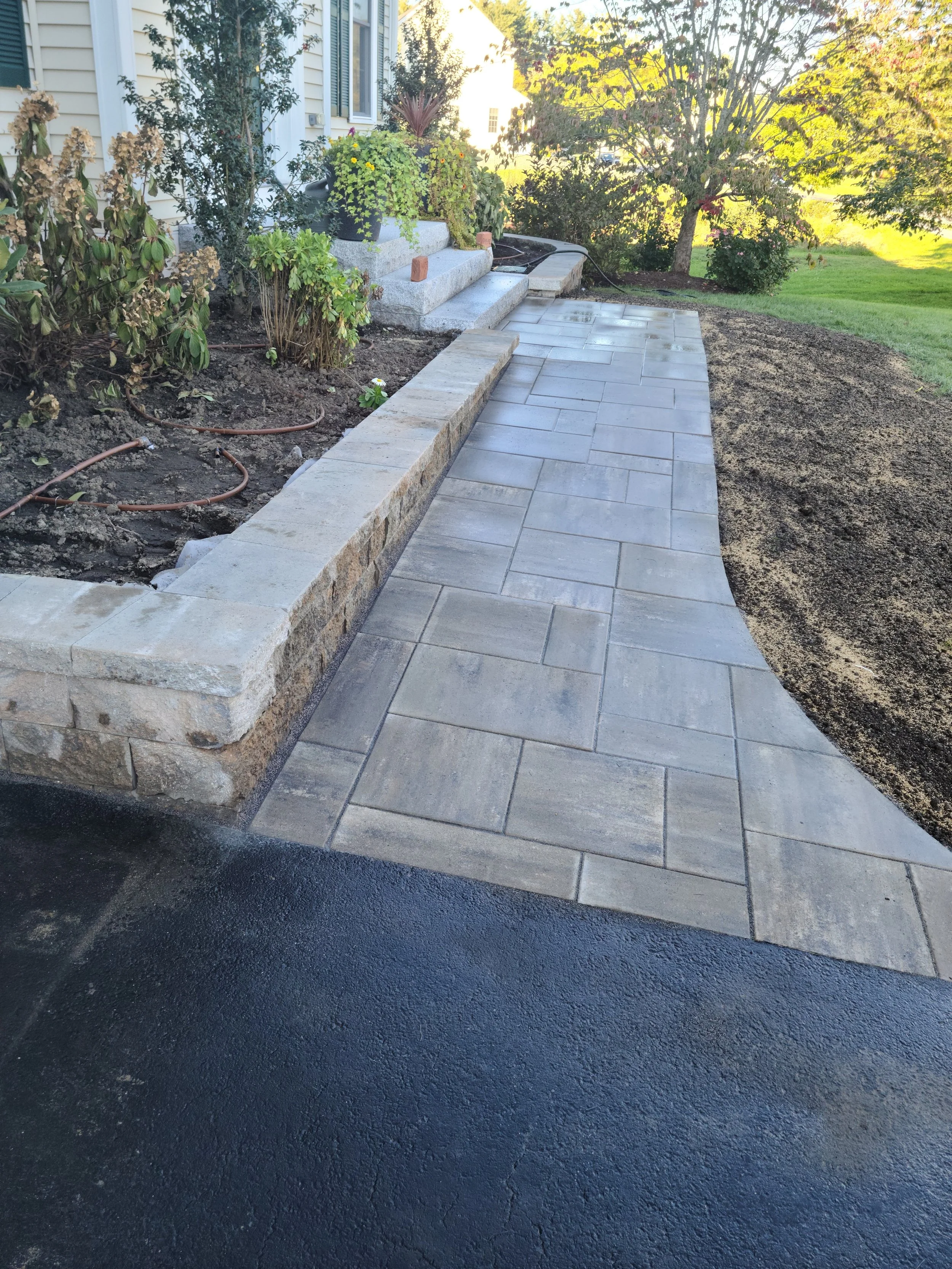
Custom outdoor features like paver patios, brick walkways, granite steps, and stone retaining walls elevate your property's value and aesthetic appeal. However, moisture trapped inside hardscapes during freezing conditions can cause severe structural shifting, cracking, and surface spalling.
Clean and Seal Pavers
Before ice and snow make their appearance, sweep away leaves, dirt, and organic matter from your patio and walkway surfaces.
Wash Away Grime: Use a mild paver cleaner or pressure washer to remove organic stains, moss, and mildew.
Apply Protective Sealer: Applying a breathable, commercial-grade paver sealer creates a protective barrier against water penetration, salt erosion, and oil stains.
Inspect Joint Sand and Retaining Walls
Replenish Polymeric Sand: Inspect the joints between your paver stones. If joint sand has washed away, sweep in fresh polymeric sand and activate it with water. This prevents water from settling under the pavers and heaving them upward when the ground freezes.
Check Drainage Channels: Ensure that weep holes in retaining walls and catch basins along walkways are clear of leaf sludge. Unobstructed drainage prevents water from accumulating behind stone walls, preventing costly structural bulging.
3. Landscape Maintenance: Trees, Shrubs, and Garden Beds
Preparing your garden beds and woody ornamentals in autumn protects your landscaping investment from winter burn, wind desiccation, and heavy snow loads.
Cut Back Perennials and Prune Deadwood
Trim Perennials: Once herbaceous perennials naturally die back after a hard frost, cut the stems down to 2-3 inches above the soil line to discourage pest infestation over the winter.
Prune Damaged Branches: Remove dead, dying, or diseased branches from trees and shrubs. Heavy winter snow or ice storms can easily snap weak branches, posing a safety hazard to your roof, vehicle, or hardscapes. Note: Avoid heavy structural pruning on spring-blooming shrubs until after they flower in spring.
Apply Fresh Shredded Bark Mulch
Insulate Soil Temperatures: A fresh 2-to-3-inch layer of organic bark mulch acts as a protective blanket over plant roots, stabilizing soil temperatures and reducing the severity of soil heave caused by alternate freezing and thawing.
Keep Mulch Off Trunks: Avoid piling mulch directly against tree trunks or shrub bases (often called "mulch volcanoes"), as this traps moisture and promotes bark rot and rodent nesting.
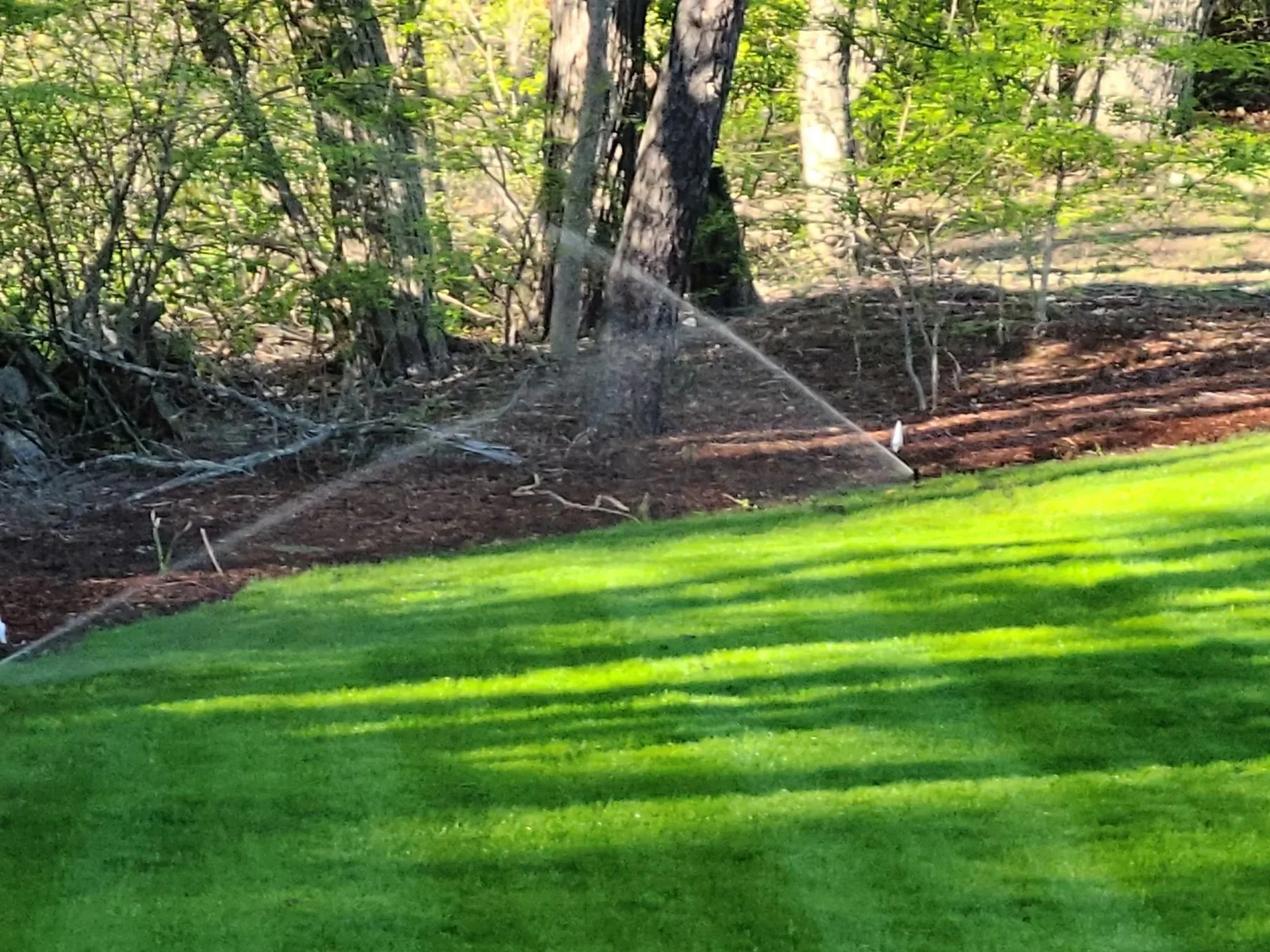
4. Winterizing Irrigation Systems: The Essential Fall "Blowout"
If you have an underground sprinkler system installed on your residential or commercial property, winterizing it is by far the most critical maintenance task on your autumn checklist.
In northern climates like Massachusetts and New Hampshire, winter temperatures regularly plummet below freezing. Water left inside your irrigation lines, valves, backflow preventers, or sprinkler heads will expand by approximately 9% when it freezes. This immense hydrostatic pressure can split PVC and polyethylene pipes, blow off fitting connections, shatter brass backflow assemblies, and ruin expensive solenoid valves.
Why Gravity Draining or Drain Valves Aren't Enough
Some property owners believe that opening manual drain valves or relying on auto-drain valves is sufficient to drain their lawn sprinklers. Unfortunately, ground settling creates natural dips and low spots along underground lateral lines. Water naturally pools in these low points and cannot drain out via gravity alone.
The only guaranteed method to eliminate all residual water from your sprinkler system is a professional compressed-air blowout.
The Professional Compressed Air "Blowout" Method
Winterizing an irrigation system requires specialized equipment and technical know-how. Here is how a professional irrigation contractor properly shuts down your system:
Shut Off Main Water Source: The main irrigation shut-off valve inside the home or in a subterranean valve box is closed tight to isolate the system from supply pressure.
Deactivate the Controller: The main irrigation timer/controller is switched to "Off" or set to "System Idle/Rain Mode" to prevent automatic valve operation during winter.
Attach Commercial-Grade Air Compressor: A tow-behind or high-volume commercial air compressor is attached to the system via a quick-connect fitting behind the backflow device. Crucial Note: Home shop air compressors lack the volume (CFM) required to push water through large-diameter irrigation lines effectively.
Regulate Pressure Safely: Professionals regulate air pressure strictly between 50 and 80 PSI (pounds per square inch). Excessive air pressure can generate friction heat, melt internal plastic gears, or cause pipe bursts.
Systematic Zone Clearing: Starting with the highest or furthest zone from the water source, the technician activates each valve independently, blowing out trapped water until a fine mist turns to air. Each zone is cycled twice for short intervals to prevent dry-rotor friction damage.
Drain and Protect the Backflow Preventer: The backflow preventer (RPZ or Pressure Vacuum Breaker) is drained, ball valves are left open at a 45-degree angle, and vulnerable external assemblies are insulated or stored properly.
Costly Risks of Skipping Fall Irrigation Shut-Down
Cracked Pipes Underground: Repairing subterranean pipe bursts requires excavating your lawn, causing unnecessary repair bills and lawn damage.
Destroyed Backflow Preventer: Replacing a shattered brass backflow assembly can easily cost hundreds of dollars in plumbing parts and labor.
Freeze-Damaged Valves & Heads: Frozen water pops internal seals out of pop-up sprayers and cracks manifold valve bodies.
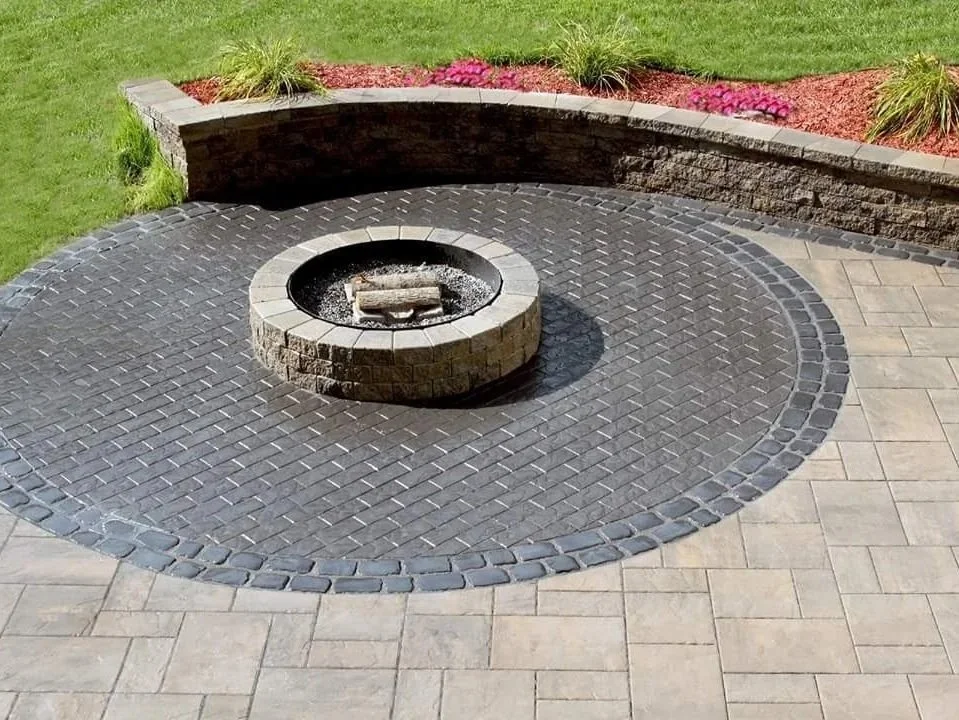
5. Fall Outdoor Living Prep: Fire Pits and Hardscape Amenities
If your property features outdoor living amenities like paver fire pits, outdoor kitchens, or decorative granite features, a few extra steps will keep them clean and ready for immediate spring enjoyment.
Clean Out and Protect Fire Pits
Fire pits are the centerpiece of autumn outdoor gatherings in Greater Lowell.
Remove Ashes: Clean out wood ash from your fire pit routinely. Wet ash combined with rain or snow forms an alkaline paste that can erode metal inserts, fire brick, or paver walls.
Cover the Fire Pit: Use a custom fitted weatherproof cover or snuffer lid over your stone fire pit when not in use to prevent water accumulation inside the pit structure.
Protect Outdoor Furniture and Utilities
Store Furniture: Clean patio cushions and store wicker or metal outdoor furniture in a shed or garage to prevent weather degradation.
Shut Off Exterior Hose Bibs: Disconnect all garden hoses from outdoor spigots. Leaving a hose connected traps water inside the sillcock, leading to burst interior water pipes during deep winter freezes.
Partner with Emerald Irrigation & Landscape Construction
Winterizing your landscape and irrigation system isn't just about finishing seasonal chores—it’s about protecting your home's exterior investment so you can enjoy a vibrant, lush, and damage-free property when spring arrives.
With over 30 years of hands-on experience serving Billerica, the Greater Lowell region, and Southern New Hampshire, Emerald Irrigation & Landscape Construction is your trusted local expert. Whether you need professional irrigation blowout services, paver patio repairs, granite step installation, or custom retaining wall construction, our fully insured team is here to help.